Sustainability has become an essential part of the architectural and development conversation across the Middle East. Yet the term is often used broadly — attached to isolated features, or presented as a visual identity rather than a measurable approach to design and performance.
For sustainability to create real value, it must act as a series of design decisions rather than decorative branding. It should influence the choices that shape a project from the beginning: where a building sits, how it is oriented, how much sun reaches the façade, how systems are sized, which materials are selected and how the asset will be operated over time.
Passive design comes first
The most reliable environmental strategies are often architectural, and they come before any excessive technical intervention. Orientation, massing, window-to-wall ratio, external shade, courtyard proportions and the treatment of thresholds can reduce unwanted heat gain before mechanical systems are even considered.
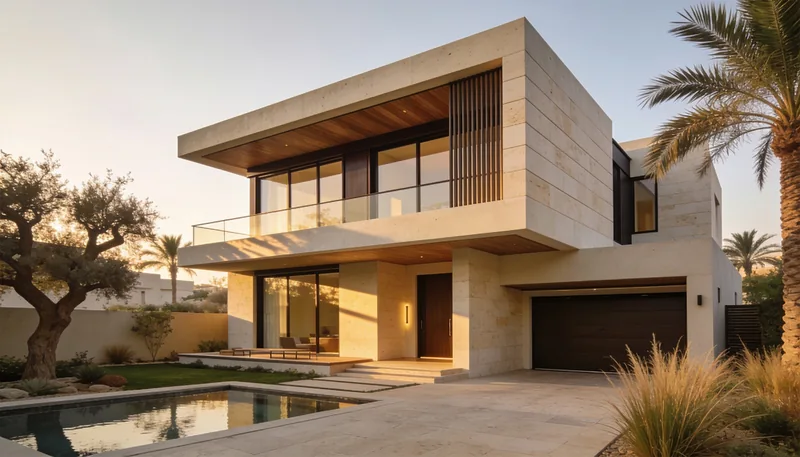
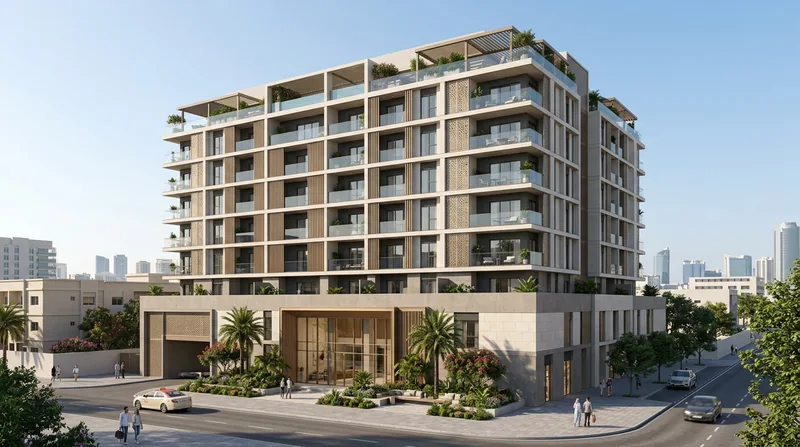
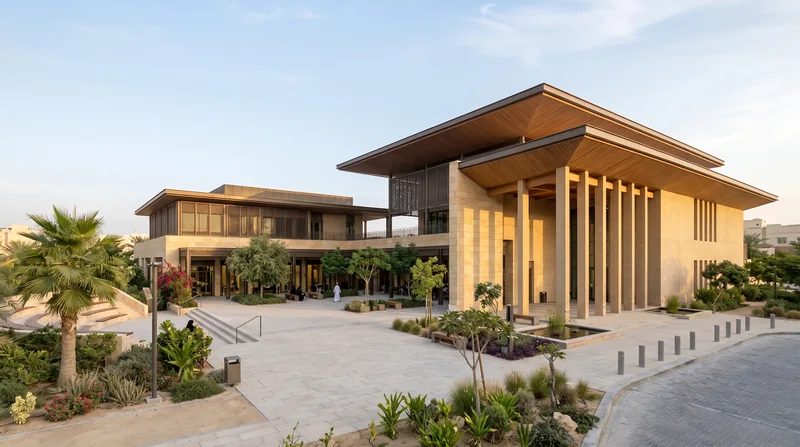
In hot climates, deep overhangs, arcades, screens and recessed glazing protect openings while preserving daylight and views. Carefully positioned courtyards support shaded outdoor life and controlled natural ventilation when conditions allow, while water-conscious landscapes — species suited to local conditions, efficient irrigation, clear zoning by demand — create cooler transitions around entrances and pedestrian routes.
These measures are not additions to the architecture. They are part of the architecture.
Efficient systems, coordinated early
Mechanical performance is closely connected to architectural decisions. Façade exposure, glazing specification, occupancy, zoning and interior planning all affect cooling demand and system design. If engineering begins after the principal architectural decisions are fixed, the project may require larger systems or difficult compromises to compensate.
Early coordination allows the team to review loads, equipment requirements, distribution zones and plant spaces while the project still has flexibility — right-sizing efficient mechanical systems instead of oversizing them, and preventing conflicts between ceilings, lighting, structure and services.
Materials chosen for place and time
Material selection should consider more than appearance. Durability, maintenance, local availability, replacement cycles and exposure conditions all influence the long-term environmental and financial cost of a building.
In the Middle East, exterior materials must respond to heat, ultraviolet exposure, dust and sometimes coastal conditions. Durable, locally appropriate materials age with dignity and reduce replacement cycles; interior finishes should be evaluated for longevity, repairability and intensity of use. The most sustainable finish is often the one that remains appropriate and serviceable for longer.
Information that reduces waste
BIM and structured project information support sustainability in practical ways: coordinated models reduce conflicts and avoidable rework on site, quantity information supports better material decisions, and accurate handover data helps buildings be operated and maintained as intended.
Lifecycle thinking ties this together: a building that can adapt to changing needs, whose systems remain accessible and maintainable, and whose materials endure, avoids the environmental cost of premature replacement. Digital coordination is a tool in that effort — valuable when information requirements are defined and the data is reliable.
Judgement over checklists
Not every project requires the same strategy. A private villa, a residential building, an open-air market and a civic centre have different occupancy patterns, budgets and operational needs. Effective sustainability begins by identifying which decisions create the greatest practical value for that specific project.
REKAZ views sustainability as an integrated design and engineering responsibility — beginning with climate and planning, continuing through coordinated systems and material decisions, and extending to the quality of information delivered for the project. The Middle East’s environmental conditions make sustainable design challenging, but they also make it necessary. Progress comes from consistent, project-specific decisions that connect ambition to application.