The Middle East is moving through another important period of urban and architectural transformation. Cities across the region are expanding, diversifying and investing in new residential communities, commercial destinations, cultural facilities and infrastructure. At the same time, clients and users are becoming more aware of design quality, environmental performance and the experience buildings create.
This moment presents an opportunity to move beyond two limiting models: architecture treated primarily as an image, and engineering treated primarily as a technical response added after the main design decisions have been made. The region’s future buildings require a more integrated approach.
Architecture begins with context
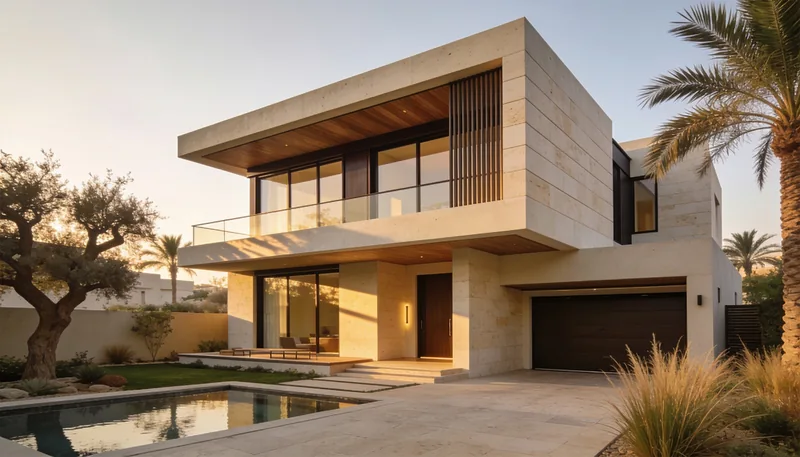
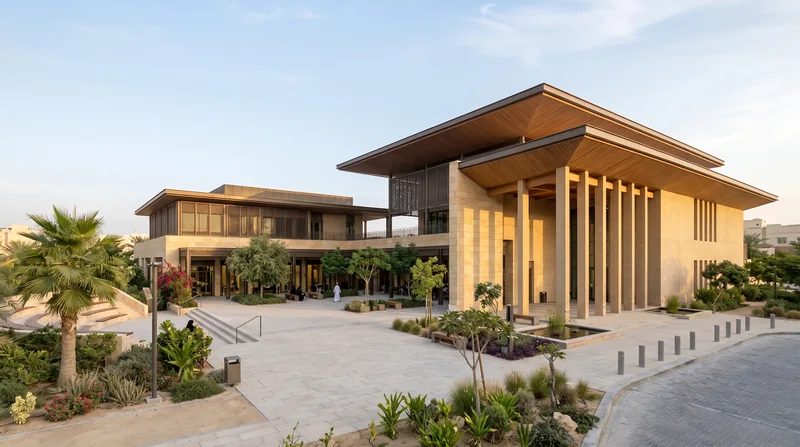
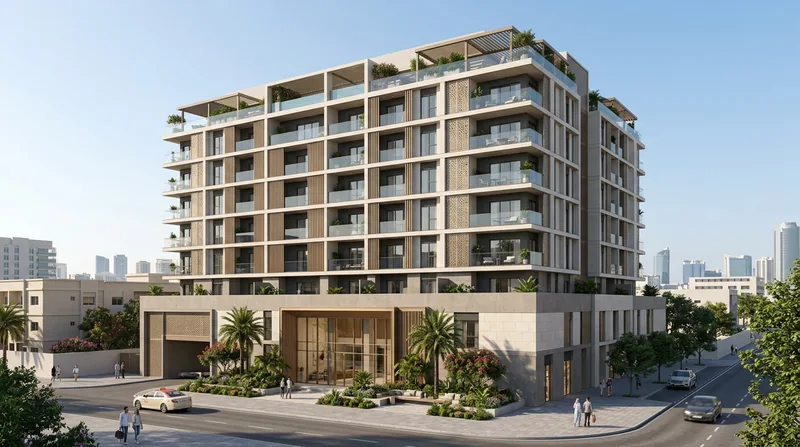
Contemporary design in the Middle East does not need to imitate a fixed historical style, nor should it import forms that ignore local conditions. Meaningful regional architecture can be modern while responding intelligently to climate, privacy, social patterns, material character and the scale of public life.
Orientation, shade, thresholds, courtyards, screens and landscape are not merely stylistic references. They are practical architectural tools that improve comfort, reduce exposure and create a stronger relationship between buildings and their environment — supporting identity without superficial symbolism.
Buildings must also anticipate change. Households grow, work patterns shift and uses evolve. Flexible planning, adaptable systems and generous structural grids allow a building to serve changing needs without losing its essential character.
The building as one system
Architectural form, interior experience and engineering systems influence one another from the beginning. Ceiling depth affects lighting and mechanical distribution. Façade design affects heat gain, equipment demand and interior comfort. Material choices affect maintenance, durability and the long-term character of the project.
When these relationships are considered early, the design becomes more coherent and technical conflicts are reduced. When they are delayed, coordination becomes a process of compromise rather than development. This is why multidisciplinary coordination is central to REKAZ’s approach — not a final checking exercise, but part of how the project is shaped.
Technology strengthens design — it does not replace it
BIM, visualization and information management have become important parts of project delivery, but technology alone does not guarantee a better outcome. Digital tools create value when they are connected to clear project questions.
A coordinated model can reveal conflicts before information is issued. A well-structured visualization can help a client understand material, proportion and atmosphere before committing to a direction. A 4D sequence can clarify how a project is planned and delivered.
REKAZ’s position is direct: technology should strengthen design rather than replace it. The objective is not to use tools for their own sake, but to make design and delivery more understandable, traceable and coordinated — so better decisions are made earlier, with greater confidence.
Quality is measured over time
The visual impact of a new building matters, but lasting quality depends on what happens after the first impression. Does the plan support daily use? Are spaces comfortable through different seasons? Can materials age well? Are systems accessible and maintainable? Can the building adapt to changing needs?
These questions matter even more in rapidly developing markets, where short-term delivery pressures can compete with long-term value. The next stage of regional architecture should place greater emphasis on lifecycle thinking, operational clarity and resilience — without losing ambition or creativity. For REKAZ, the future of architecture in the Middle East will be defined by the quality of integration: vision with precision, identity with performance, and ambition with long-term value.